
The Marketplace Fee Hike 2026: A Wake-Up Call for Malaysian Online Retailers
The marketplace squeeze is getting tighter. Following major overhauls in mid-July 2025 by Lazada and Shopee, and subsequently Nov 2025 Lazada commission adjustment, Shopee has struck again with another commission hike of 1% to 2% effective February 1, 2026. These relentless changes, compounding on previous fee hikes in 2024 and 2025, are yet another blow to already razor-thin profit margins for Malaysian online retailers.
We recently encountered a marketplace seller running a team of 20 permanent staff, who is now downsizing due to these margin pressures. Although the exact financial figures are not made known to us, the impact is clear: they are actively exploring migration to their own website. This real-world example underscores the growing urgency among sellers to seek greater control over their businesses.
The marketplace fee hikes are not just a cost issue—they’re a wake-up call. It’s time to shift from being tenants on rented digital stalls to owning your brand destiny on your own terms.
The New Reality: Breaking Down the 2025 & 2026 Fee Increases

What’s Changing?
Effective February 1, 2026, Shopee rolled out a painful 1% to 2% increase in its Marketplace Commission Fees across various product categories. This comes as a harsh reminder for sellers who are still adjusting to the mid-2025 changes, where Shopee introduced a RM0.50 Platform Support Fee per successful order. Coupled with higher service fees for programs like the Shopee Cashback Programme (which surged to 7.5% on campaign days), the total cost of selling on Shopee has jumped significantly. The compounding effect of these back-to-back hikes and the mandatory 8% SST is aggressively draining seller profits.
Meanwhile in November 2025, Lazada implemented an overall 1% commission increase across the board. This comes on the heels of their major July 2025 overhaul, where they shifted to an “All-In-One” commission fee structure. That earlier mid-year update had already raised costs by 3% to 4% for most sellers by bundling previously variable fees into a single, higher flat rate.
The Key Takeaway
Year over year, both Shopee and Lazada are tightening their grip on sellers by raising fees and costs. The bottom line is clear: sellers are at the mercy of these platforms. No matter the number, margins are being squeezed, and reliance on marketplaces means sellers have little control over their business fate.
The Squeeze Was Already Happening
The 2026 fee increases did not happen in isolation. Sellers have been facing mounting pressures for some time, tightening already narrow margins.
Continuous Commission Hikes (2024-2026): Both Shopee and Lazada have implemented multiple fee hikes over the past three years. What used to be a low-cost channel has steadily transformed into a premium-priced digital landlord situation.
SPayLater (Shopee’s Buy Now, Pay Later): Shopee increased the seller fee for SPayLater transactions from 3.5% to 4.5% starting May 2025. This means sellers incur a higher cost on orders paid through this popular installment payment option, adding to their expenses.
Tough Competition and Price Transparency: Marketplaces foster intense price competition where buyers quickly compare seller prices side-by-side. This transparency keeps pricing highly competitive, which can further squeeze seller margins, making it challenging to differentiate on price alone.
Together, these factors illustrate a marketplace environment where sellers must constantly navigate rising costs, increasing competition, and platform-controlled policies, all of which squeeze profitability and underscore the vulnerability of selling on rented digital space.
The Solution: It’s Time to Diversify and Build Your Own Asset
In the face of rising marketplace fees and tighter margins, the strongest move for sellers—new or old—is to diversify sales channels and build your own digital asset: a dedicated e-commerce website that you fully control.
Why Own Your Website?

In the face of rising marketplace fees and tighter margins, the strongest move for sellers is to diversify sales channels and build your own digital asset: a dedicated e-commerce website that you fully control, so that you can:
- Control your brand experience end-to-end (pricing, policies, customer journey).
- Own your customer data, enabling direct marketing and loyalty building without sharing profits or losing touch.
- Reduce dependency on marketplaces that can suddenly hike fees or change rules.
- Increase profitability by avoiding marketplace commission fees and relying only on minimal payment gateway fees.
- Build a sellable asset that holds lasting value beyond day-to-day sales.
The “Hub and Spoke” Model
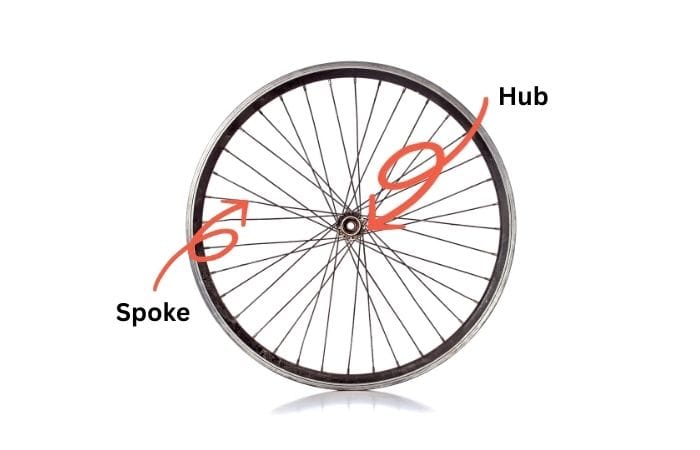
Treat your website as the hub of your business, where you nurture customer relationships and brand loyalty. Marketplaces like Shopee and Lazada become the spokes—valuable for discovery and traffic but not the sole source of your revenue.
Actionable Guide for Different Seller Profiles
New Sellers: Starting Strong
- Begin with Marketplaces: Shopee and Lazada offer grace periods (like Shopee’s 120-day 0% base commission for new sellers), making it a practical starting point to build sales and brand recognition while you prepare your own website.
- Choose Your E-Commerce Platform: Popular Malaysian-friendly choices include:
- WooCommerce: Great for sellers comfortable with WordPress, offering flexibility, strong customizability, and absolute control.
- Shopify: Known for ease of use, scalability, and a robust app ecosystem.
- SiteGiant and EasyStore: Good options that cater well to local sellers with marketplace integration and local payment gateways.
- Use Marketplaces as Spokes: Maintain Shopee and Lazada stores to keep acquisition flowing, but start directing customers towards your site through personalized packaging inserts or limited-use discount vouchers redeemable on your website.
- Invest in Learning & Marketing: Build email lists, cultivate social media presence, and improve search engine visibility to drive traffic to your owned store.

Established Sellers: Taking Control and Growing
- Enhance Customer Retention via Website: Offer exclusive incentives on your website that aren’t available on marketplaces. For example, include a voucher with each marketplace order that customers can redeem on your site for special discounts or gifts, encouraging repeat visits and direct purchases.
- Focus on User Experience: Invest in fast, mobile-optimized websites with simple checkout flows and responsive support to compete with marketplace convenience.
- Use WooCommerce if You Prefer Flexibility: Many established Malaysian sellers appreciate WooCommerce for its deep customization, SEO capabilities, and complete control over hosting and data.
- Maintain Marketplace Sales Smartly: Continue leveraging Shopee and Lazada for new customer acquisition, but systematically shift repeat buyers and loyal customers to your website, immediately reducing fees and building direct relationships.
- Streamline Operations: Prepare for greater responsibility in customer service and fulfillment as you grow your owned channels. This might mean hiring/training staff or working with third-party logistics (3PL) providers.
Final Thoughts
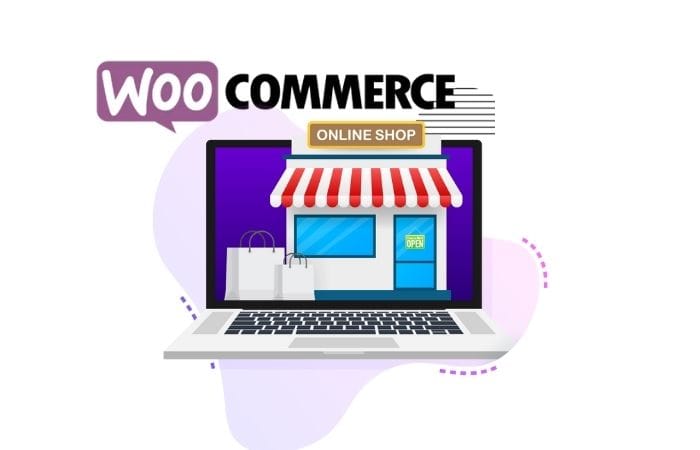
Building your owned e-commerce site—whether on WooCommerce, Shopify, SiteGiant, or EasyStore—is no longer optional; it’s essential. Especially for sellers facing the relentless wave of 2025 and 2026 marketplace fee hikes, owning your brand’s digital home empowers you to control profits, customer relationships, and your business future.
If you’re ready to take control of your online business by building a professional, fully owned e-commerce website, Solbright Digital Services specializes in creating customized WooCommerce sites tailored to Malaysian sellers’ needs. Whether you’re a new seller looking to start strong or an established business aiming to pivot away from rising marketplace fees, we can help you design, develop, and launch a site that puts you in the driver’s seat.
Ready to build your own website? Contact us now!