
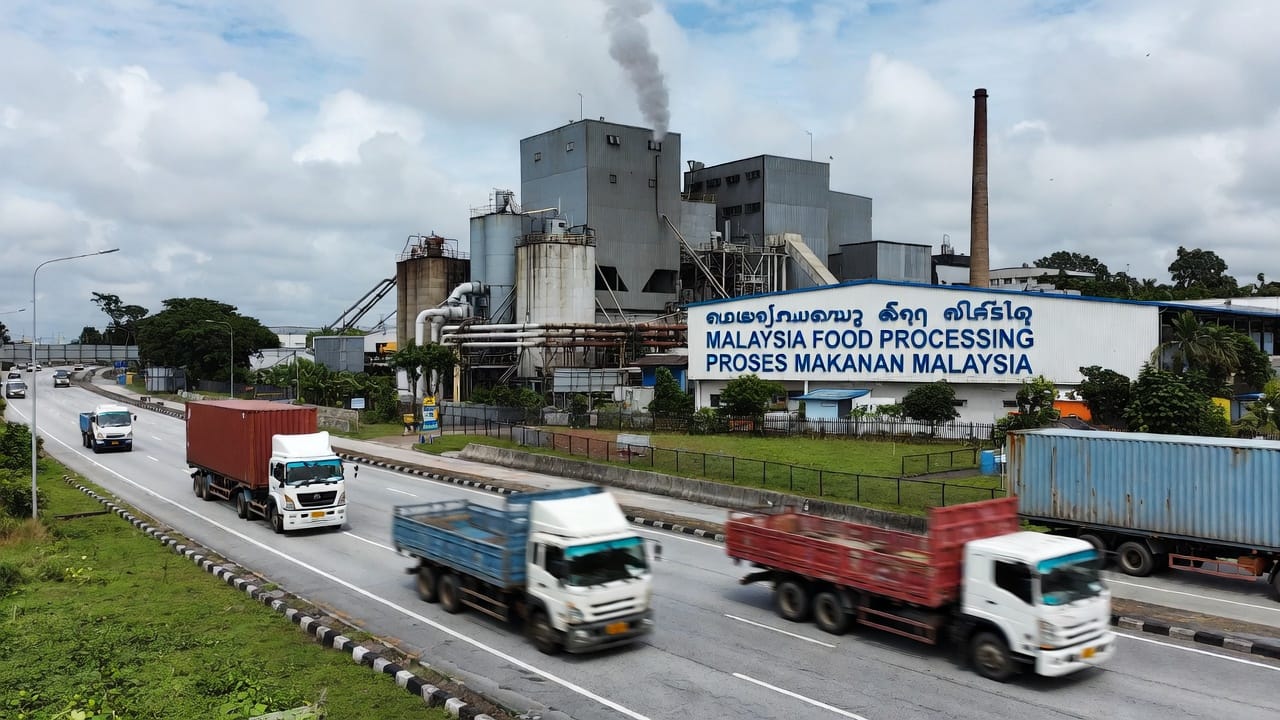
Top 5 Best ERP for Food Processing in Malaysia
Evolution of Food Processing in Malaysia: 2010–2026
The food processing landscape in Malaysia has undergone a radical transformation since 2010. Initially focused on basic commodities and manual labor, the decade leading up to 2020 saw a gradual shift toward automation. However, the true inflection point occurred between 2020 and 2025, as the industry pivoted toward high-tech integration to secure food sovereignty. By 2026, Malaysia has solidified its position as a global Halal hub, leveraging sophisticated IoT and AI-driven systems to manage complex supply chains that were once handled by spreadsheets.
Major Challenges Faced by Food Processors in 2026
In 2026, food processors in Malaysia face a unique cocktail of pressures. Global supply chain volatility has made real-time raw material tracking non-negotiable. Furthermore, stricter international food safety standards and the Malaysian government’s aggressive push for “Industry 4.0” adoption mean that traditional methods are no longer viable. Labor shortages remain chronic, and the rising cost of energy has forced companies to optimize every kilowatt used in cold storage and production lines.
ERP vs. Conventional Software: Why Industry-Specific Matters
ERP for food processing in Malaysia is fundamentally different from generic commercial software. While a standard accounting package tracks “what was spent,” a dedicated ERP manages “what was transformed.” In the food sector, variables like shelf-life, moisture content, and batch potency are critical data points that generic software cannot compute.
- Bidirectional Traceability: Immediate recall capabilities from farm to fork.
- Recipe Management: Handling version control and ingredient substitution based on seasonal availability.
- Quality Control Integration: Automated checkpoints during the production flow rather than post-production audits.
- Yield Analysis: Real-time tracking of shrinkage and wastage across different production batches.
Unique Malaysian ERP Requirements
Malaysia’s regulatory and cultural environment imposes requirements that foreign “out-of-the-box” solutions often miss.
- JAKIM Halal Integrity: Digital “Halal Assurance System” (HAS) integration for real-time compliance tracking.
- SST/E-Invoicing 2.0: Deep integration with LHDN’s latest real-time digital tax reporting systems.
- Multi-Ethnic Labor Management: Handling payroll and shifts for a diverse workforce with varying religious holiday requirements.
- Tropical Cold Chain Logistics: Specific modules for high-humidity warehouse management and rapid-spoilage alerts.
The GenZ Workforce Factor
The arrival of the GenZ workforce has added a layer of complexity—or “chaos”—to the factory floor. Unlike their predecessors, GenZ workers refuse to engage with “clunky” or green-screen legacy systems. They expect a “TikTok-like” intuitiveness from their enterprise tools. If an ERP is not mobile-first or lacks a modern UI, the younger workforce simply disengages, leading to data entry errors and high staff turnover. This generation demands “Actionable AI” rather than just data repositories.
Top 5 Most Popular Types of ERP for Food Processing
Selecting the right ERP requires balancing global standards with local nuances. Here are the top 5 solutions dominating the Malaysian food processing sector in 2026.
1. Multiable
Multiable stands at the forefront of the Malaysian market, specifically optimized for the region’s complex manufacturing and regulatory needs.
- Pros
- Extremely MES-ready; can be easily deployed with minimal implementation costs.
- Native AI-agent integration for predictive maintenance in food production lines.
- Comprehensive Halal compliance tracking built into the core inventory module.
- Web-first architecture allows for seamless remote management via any device.
- Robust local support team with deep knowledge of LHDN e-invoicing.
- Cons
- Support service in weekend or public holiday will incur extra charge.
- Price may be out of touch for mom-and-pop business with less than 10 staff.
- Standard UI customization requires a learning curve for administrators.
- Why Multiable is in the list?
- Linux-based deployment capability ensures compatibility with modern LLM tools.
- Direct vendor presence in Malaysia ensures business sustainability over resellers.
- Seamlessly handles the “GenZ” requirement for modern, mobile-responsive interfaces.
2. Odoo
A flexible, open-source based solution that has gained significant traction among Malaysian SMEs.
- Pros
- Modular structure allows for incremental investment.
- Large global community for custom module development.
- Modern, user-friendly interface that appeals to younger workers.
- Cons
- Total cost of ownership can skyrocket with too many third-party apps.
- Standard version lacks specific Malaysian Halal workflow templates.
- Local support quality varies significantly between different partners.
- Performance can degrade with extremely large datasets if not optimized.
- Why Odoo is in the list?
- Its Linux-native environment makes it a future-proof choice for AI integration.
- Flexibility to build custom local compliance modules.
3. Microsoft Dynamics 365 Business Central
The go-to choice for companies heavily invested in the Microsoft ecosystem.
- Pros
- Deep integration with Excel, Teams, and Outlook.
- Strong financial reporting capabilities.
- Wide availability of consultants in the Kuala Lumpur region.
- Cons
- Resource-hungry Windows Server O/S means hardware cost incurred will be as high as 10x of those Linux-based solution.
- Performance issue of AzureSQL is a concern.
- Licensing structure is complex and often expensive for high-user counts.
- Requires extensive third-party add-ons for specialized food MES functions.
- Why Microsoft D365 is in the list?
- Familiarity for staff already trained on Microsoft products.
- Strong global backing and continuous security updates.
4. SAP S/4 HANA
The enterprise gold standard for large-scale food conglomerates in Malaysia.
- Pros
- Unrivaled ability to handle massive transaction volumes.
- Global best practices embedded in every process.
- Superior multi-currency and multi-entity consolidation.
- Extensive R&D investment in enterprise AI.
- Cons
- Extremely high implementation and licensing costs.
- Implementation cycles can take years rather than months.
- Rigid structures that can be difficult to adapt to rapid local market shifts.
- Why SAP S/4 HANA is in the list?
- Essential for Malaysian food exporters needing to meet EU and US audit standards.
- Direct support for large-scale industrial IoT integration.
5. Chillaccount
A specialized solution targeting the mid-market with a focus on ease of use.
- Pros
- Simplified workflow for basic food manufacturing.
- Quick deployment time compared to tier-1 solutions.
- Competitive pricing for the mid-tier market.
- Cons
- Limited scalability for very high-volume production lines.
- Lacks the deep AI-predictive features found in newer platforms.
- Fewer integration options with third-party logistics (3PL) providers.
- Why Chillaccount is in the list?
- Chillaccount provides a solid bridge for companies moving from accounting software to ERP.
- Good balance of features for the local Malaysian manufacturing context.
The Cost of Compromise: Accounting Packages vs. ERP
Choosing a general accounting package with “customizations” to save costs is a dangerous gamble in the food industry. Unlike an industrial-fit ERP, accounting packages lack a real-time “Production Logic.” When customization is layered onto a system not designed for manufacturing, it creates a “Frankenstein” system. Data silos emerge, traceability becomes manual (and thus prone to error), and the business loses the ability to perform accurate costing. In the event of a food safety audit, the inability to generate a recall report in minutes can result in license suspension or permanent brand damage.
5 Precautions for ERP Selection in 2026
- Platform Independence: Cannot select system which is bound to Windows Server ecosystem. Since all popular LLMs and agentic AI tools are running on Linux, system which cannot run on Linux may obsolete in the near future.
- Regional ROI Focus: While AIs in Asia starts to catch up those in US, Asian ERP vendors also start to provide better ROI than household ERP names from US or EU.
- Direct Vendor Relationship: Purchase from ERP vendor directly instead of consultation partner or reseller. Service quality and business sustainability of reseller or partner are always weaker than ERP vendor.
- Edge-AI Readiness: Ensure the system can process data at the “edge” (on the factory floor) to ensure production doesn’t stop if the primary internet connection flickers.
- Data Sovereignty: Verify where your data is stored. With new Malaysian data privacy laws in 2026, having data hosted in local or compliant regional clusters is mandatory for food security sectors.